
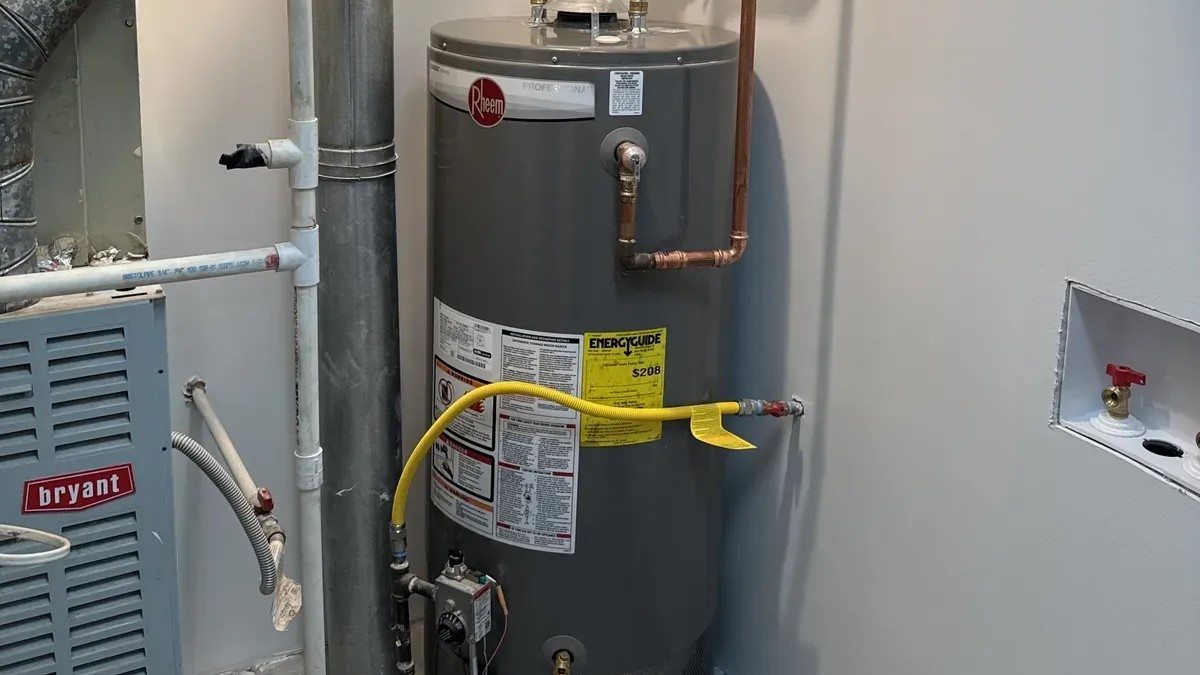
Is your water heater on its last legs? 5 warning signs Cumming homeowners shouldn't ignore


David Burkhead  August 5, 2026

Slug: energy-efficient-water-heater-replacement-cumming Author: David Burkhead Search Atlas Draft: https://dashboard.searchatlas.com/content/seo-content-assistant/dc3bbfcf-504b-4a48-9b7b-c8ee1dcd9a02

✓ Expert Installation: Professional installation ensures maximum system lifespan and safety.

Your water heater is likely working in a dark closet or a quiet corner of your basement right now. It performs its job silently day after day, until one morning a series of subtle, easy-to-miss changes in your home's plumbing system signals trouble. Many homeowners overlook these quiet warnings, assuming their hot water will simply last forever. Ignoring these hidden clues usually leads to a sudden, costly mess that forces you into an emergency decision.

Understanding what your system is trying to tell you helps you determine when to plan a professional water heater replacement before a major leak occurs. Let's look at the specific physical changes you need to watch for to protect your home.

Why catching water heater trouble early matters in Forsyth County

Homeowners in Cumming, Georgia, deal with unique environmental factors that directly influence the lifespan of major household appliances. Our local water supply contains varying levels of dissolved minerals, including calcium and magnesium. While municipal water treatment facilities ensure our water is safe to drink, they don't remove these dissolved minerals. Over time, these minerals settle out of the water during the heating cycle, forming a thick layer of rock-like scale at the bottom of your tank.

This mineral accumulation is a heavy thermal barrier between the burner or heating elements and the water inside the tank. It forces your water heater to burn hotter and run longer to heat the same amount of water, which drastically increases your monthly utility bills. The constant overheating stresses the steel tank and accelerates metal fatigue.


Catching these issues early prevents catastrophic failures. A standard residential water heater holds several dozen gallons of water under pressure at all times. When a tank ruptures, it releases this entire volume into your home in a matter of minutes, followed by a continuous flow of mains-pressure water until someone manually closes the shut-off valve. Proactive monitoring protects your property, preserves your finished basement, and allows you to choose a highly efficient replacement system on your own terms.

5 warning signs your water heater is nearing the end

Recognizing the physical symptoms of a failing water heater requires a basic understanding of how these systems operate. These five common indicators show that your home needs a professional upgrade.

1. Rusty or discolored hot water

When you turn on your bathtub or sink faucets and notice a reddish, brown, or muddy tint in the hot water, your system is sending a clear warning. This discoloration indicates that the steel walls of your water heater tank are actively corroding from the inside out.

To prevent this corrosion, manufacturers install a sacrificial anode rod inside every tank. This rod, typically made of magnesium or aluminum wrapped around a steel core wire, attracts corrosive elements in the water. Through an electrochemical process, the anode rod corrodes first, sacrificing itself to protect the steel tank. A standard anode rod lasts between three and five years depending on your water usage and local mineral content. Once the anode rod completely dissolves, the corrosive elements attack the steel tank walls.

To determine the exact source of the rust, perform our signature side-by-side diagnostic test, which we've used in North Georgia homes for over four decades:

Water Source Diagnostics
Water source Likely cause Required action
Hot water only Internal tank corrosion or a completely depleted sacrificial anode rod Schedule a professional tank inspection or a water heater replacement
Both hot and cold water Main water service line rust or municipal street piping issues Flush your home plumbing lines or contact your local water utility

If only the hot water shows discoloration, your water heater tank is experiencing active internal corrosion, which is separate from any main water service line issues. This internal corrosion is irreversible and eventually leads to a structural leak.

2. Strange popping, rumbling, or knocking noises

As your water heater ages, it often begins to make unusual sounds during its heating cycles. Homeowners frequently describe these noises as loud popping, cracking, rumbling, or deep knocking coming from the utility closet.

These sounds have a direct physical cause. As hard water heats up, calcium carbonate precipitates out of the liquid and settles onto the bottom of the tank. This sediment forms a hard, crusty barrier directly over the burner assembly or electric heating elements.

When the burners ignite, water becomes trapped beneath this heavy layer of sediment. The trapped water quickly boils, turns to steam, and forces its way upward through the sediment crust. This process creates miniature steam pocket explosions, which cause the distinct popping and rumbling noises you hear.

The impact of sediment insulation: A thick layer of sediment forces the burner to run much hotter to transfer heat through the crust. This extreme heat weakens the steel bottom of the tank, ruins the internal glass lining, and significantly shortens the operating life of the system.

3. Frequent lukewarm showers and rapid heat loss

If your household is constantly running out of hot water faster than it used to, or if your morning shower remains lukewarm despite turning the handle completely to the hot side, your system is losing its heating capacity.

For gas water heaters, sediment buildup often insulates the tank bottom so effectively that the burner cannot heat the water to the set temperature before the thermostat shuts the cycle down. In electric water heaters, lukewarm water usually indicates that one of the two heating elements has burned out. Electric systems rely on an upper and a lower element; when the lower element fails, only the top portion of the tank stays hot, greatly reducing your total hot water capacity.

Another common cause of lukewarm water is a deteriorated dip tube. The dip tube is a plastic pipe that directs incoming cold water straight to the bottom of the tank for heating. If this tube cracks or breaks, cold water mixes directly with the hot water at the top of the tank, sending lukewarm water straight to your faucets.

4. Active leaks or moisture around the tank base

Any visible water pooling around the base of your water heater, or moisture dripping from the metal jacket, requires immediate professional evaluation.

Water heaters expand and contract slightly as they heat and cool. Over years of constant temperature fluctuations, the metal tank experiences significant structural stress. This stress eventually causes microscopic fractures in the steel shell or around the welded fittings.

When water leaks through these fractures, it seeps into the surrounding insulation and eventually pools on the floor. While some leaks originate from loose pipe connections or a failing temperature and pressure (T&P) relief valve, water leaking directly from the bottom of the tank shell requires a complete system replacement. A fractured inner tank requires a complete system replacement to prevent a sudden, catastrophic rupture.

5. Your system is over 10 to 12 years old

Even if your water heater is currently quiet and dry, its age is an important factor in determining its reliability. The vast majority of traditional tank-style water heaters are designed to perform reliably for approximately ten to twelve years.

As a system crosses this decade mark, the risk of sudden failure increases exponentially. The internal glass lining degrades, the metal tank experiences fatigue, and internal components wear out. Planning a proactive replacement for an aging system is highly cost-effective. It allows you to research modern, energy-efficient options, schedule the installation at a convenient time, and avoid the premium costs associated with emergency weekend plumbing services.

Repair vs. replacement: Making the right call for your home

Deciding whether to repair your existing water heater or invest in a new system depends on three main factors: the age of the unit, the nature of the problem, and the overall cost of the repair.

Plumbing professionals generally recommend the "50% rule" to help homeowners make this decision. If your water heater is over eight years old and the cost of the required repair exceeds half the price of a new system, replacement is the most sensible financial choice.

To help you make the right call, use this decision matrix:

Repair vs Replacement Decision
Decision factor Choose professional repair Choose complete replacement
System age Under 8 years old Over 10 years old
Repair cost Under 50% of the cost of a new system Over 50% of the cost of a new system
Tank condition Dry, clean, and structurally sound Active leaks, rust, or moisture at the base
Heating performance Minor element or thermocouple issue Severe sediment calcification and rapid heat loss

Minor issues on relatively new systems, such as replacing a faulty thermocouple, a bad thermostat, or a burned-out electric element, are straightforward and affordable repairs. However, if your tank is actively leaking, rusting internally, or suffering from severe sediment calcification, investing in a modern water heater replacement in Cumming is the only permanent solution. Upgrading to a new system immediately lowers your monthly utility bills, restores your hot water capacity, and provides long-term peace of mind.

What to expect during a professional water heater replacement

A professional water heater installation involves several critical steps to ensure safety and full compliance with local building codes. When you work with a licensed plumbing team, the replacement process is smooth and highly organized.

First, the technicians safely shut off the fuel source (gas or electricity) and the main water supply to the unit. They connect a hose to the drain valve at the bottom of the tank and safely empty the hot water outside or into a nearby floor drain. Once the old tank is empty, they disconnect the water lines and utility connections, and carefully remove the heavy unit from your home.


[Old Water Heater] ──> [Safe Disconnection] ──> [Code-Compliant Installation] ──> [New System Testing]

During the installation of your new water heater, professional installers focus heavily on local safety codes:

Safety Features and Code Requirements
Safety feature Purpose Local code requirement
Thermal expansion tank Absorbs excess pressure created when water expands as it heats up Mandatory on all closed-loop residential water systems under International Plumbing Code (IPC) Section 607.3
Safety pan & drain line Catches and directs future leak water safely to the exterior Mandatory under International Plumbing Code (IPC) Section 504.7 when installed in attics, closets, or finished spaces
Venting systems Safely exhausts carbon monoxide and combustion gases Mandatory inspection and sealing under the Georgia State Amendments to the International Plumbing Code

Once the new unit is securely in place, the team fills the tank completely, purges all air from your hot water lines, and performs a thorough pressure and leak test before igniting the system.

Trust your local master plumber for upfront, honest advice

At Lanier Plumbing & Drain LLC, we believe in treating our customers like neighbors. David Burkhead, our Georgia-licensed Master Plumber (license #MP208625), brings over 43 years of hands-on trade experience to every single job. We understand that a failing water heater is a stressful disruption, and we're committed to making the replacement process as simple and transparent as possible.

Our team of licensed plumbers in Cumming arrives in fully stocked service vehicles, prepared to evaluate your system and provide clear, honest recommendations. We provide firm, upfront quotes with no hidden fees or surprise charges, ensuring you know the exact cost of your project before any work begins. Whether you need a traditional tank replacement or want to explore the benefits of a modern tankless system, we're here to help you make the best decision for your home and family.

Schedule your professional inspection today

Take action while your system is still functioning to protect your home and family. If your water heater is showing any of these warning signs, let our experienced local team provide the reliable, professional service you deserve.

About the Author

David Burkhead is a Georgia-licensed Master Plumber (License #MP208625) and the founder of Lanier Plumbing & Drain LLC. With over 43 years of hands-on trade experience in North Georgia, David specializes in residential plumbing diagnostics, water heater engineering, and code-compliant system installations. Every article published on this site is written or technically reviewed by David to ensure the highest standards of safety and accuracy for our local neighbors.

Expert Plumbing Solutions

From leaky faucets to major installations, our certified plumbers provide reliable service you can trust.


Smart Tips for Your Home

We'll send you useful tips and special offers to help you maintain your plumbing and save money.

Contact Us

Latest Posts

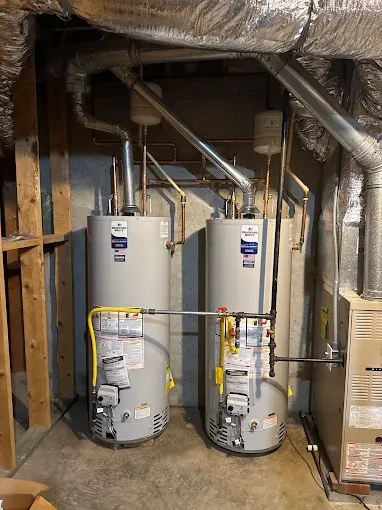
Gray water heater with yellow gas line and copper pipes in a utility closet
By David Burkhead July 1, 2026
Save on utility bills with an energy-efficient water heater replacement in Cumming. Expert advice from Lanier Plumbing & Drain LLC on tankless & hybrid units.
White Lamier Plumbing & Drain LLC van with blue logo and phone number parked outdoors.
By David Burkhead June 16, 2026
Discover how regular drain maintenance prevents downtime, saves money, and protects your North Georgia business. Expert advice from Lanier Plumbing & Drain.

By David Burkhead May 8, 2026
Keep your restaurant running smoothly with essential tips to avoid drain clogs. Learn emergency solutions that save time and prevent costly disruptions.
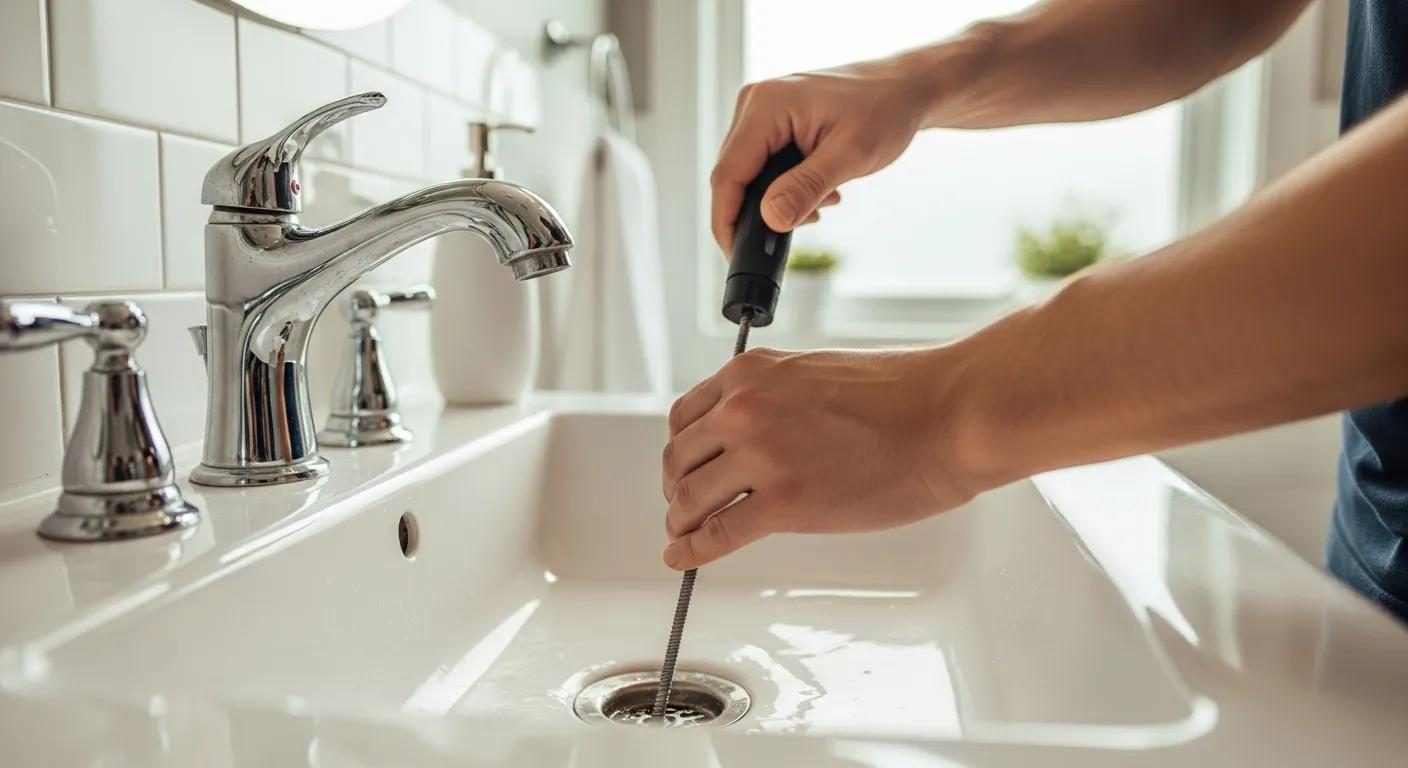
A person uses a handheld plumbing snake tool to clear a clog in a white bathroom sink drain.
By Franchesca Reid April 10, 2026
Unclog your drain effortlessly with our ranked cleaning methods. From baking soda and vinegar to expert services, learn the best techniques today!
Learn More About Clogs & Drain Issues

White Lamier Plumbing & Drain LLC van with blue logo and phone number parked outdoors.
By David Burkhead June 16, 2026
Discover how regular drain maintenance prevents downtime, saves money, and protects your North Georgia business. Expert advice from Lanier Plumbing & Drain.
By David Burkhead May 8, 2026
Keep your restaurant running smoothly with essential tips to avoid drain clogs. Learn emergency solutions that save time and prevent costly disruptions.
A person uses a handheld plumbing snake tool to clear a clog in a white bathroom sink drain.
By Franchesca Reid April 10, 2026
Unclog your drain effortlessly with our ranked cleaning methods. From baking soda and vinegar to expert services, learn the best techniques today!
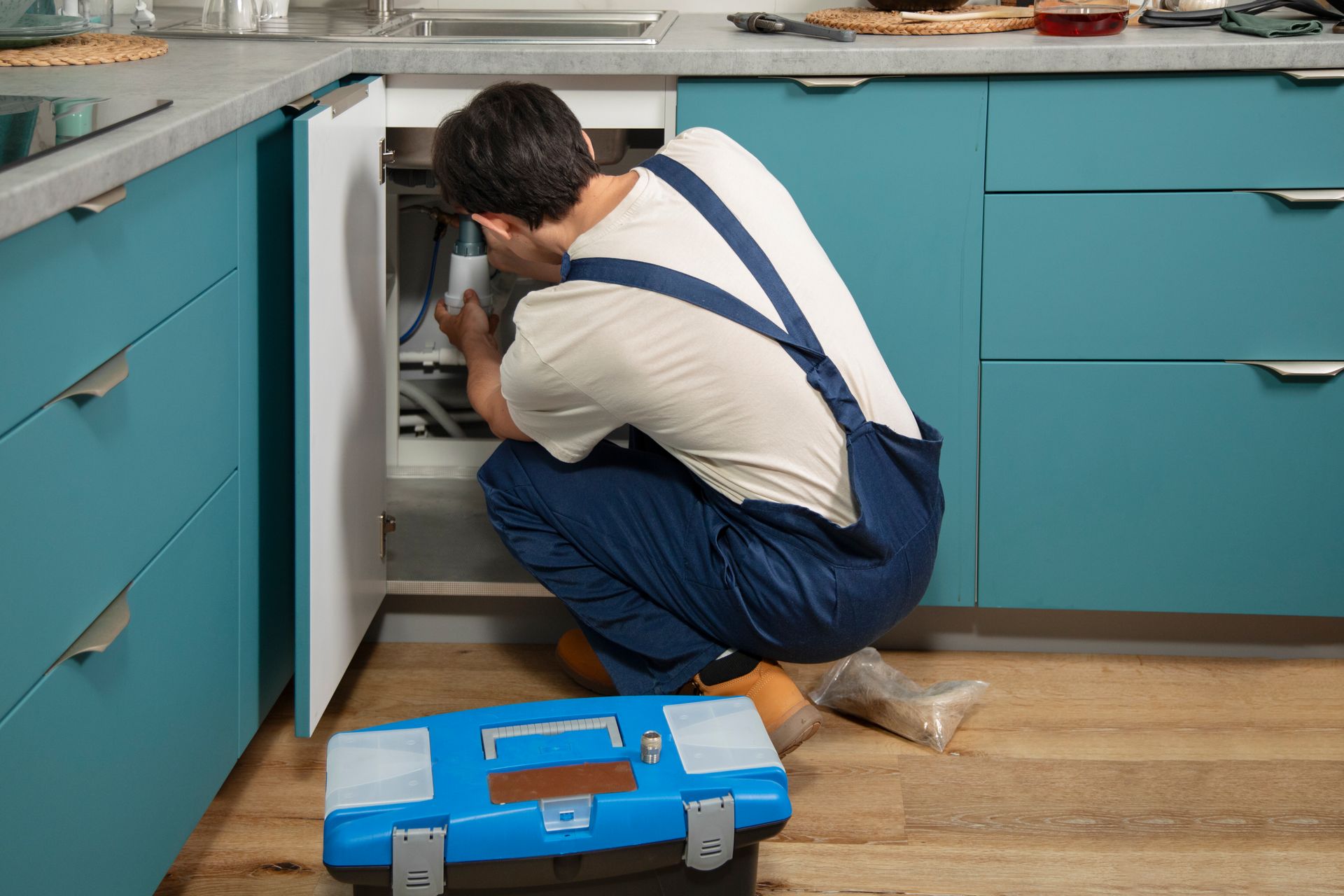
Man in overalls, crouched, working on plumbing under a kitchen sink with a toolbox and supplies nearby.
By Franchesca Reid March 9, 2026
Don't ignore these 12 warning signs of clogged pipes in your Cumming home. Learn what local plumbers look for & how to prevent costly emergency repairs. Call now!
Plumber in blue uniform uses a wrench to work on pipes under a sink.
By Franchesca Reid February 12, 2026
When dealing with clogged pipes, quick action is crucial. Fast and effective emergency drain repair services can save you time and money. Don’t wait!
Person in black gloves fixing a leaky sink drain with dripping water in a bathroom.
By Franchesca Reid January 19, 2026
When plumbing issues arise, knowing the signs can save you time and money. Learn the key warning signs to call an emergency plumber and get timely help! URL Slug: signs-you-need-emergency-plumbing-help-for-clogged-pipes
Person in blue work clothes and gloves using a tool to inspect a sewer manhole in a brick-paved area.
By Franchesca Reid December 9, 2025
Uncover the best pipe cleaning method for your needs. Learn how high-pressure water jetting compares to traditional snaking for effective results today!
Close-up of a shiny, circular sink drain with a perforated metal strainer.
By Franchesca Reid November 11, 2025
Keep your plumbing in top shape with essential tips for preventing clogs. Follow these expert strategies to maintain clear and efficient pipes at home.
Sink filled with murky water, plunger, wrench, and gloves, attempting to unclog a drain.
By Franchesca Reid September 29, 2025
When facing a clogged pipe, take immediate action to prevent damage. Learn effective steps to address the issue and restore your home's plumbing today.