The Restaurant Owner’s Guide to Preventing Costly Drain Clogs
David Burkhead May 8, 2026

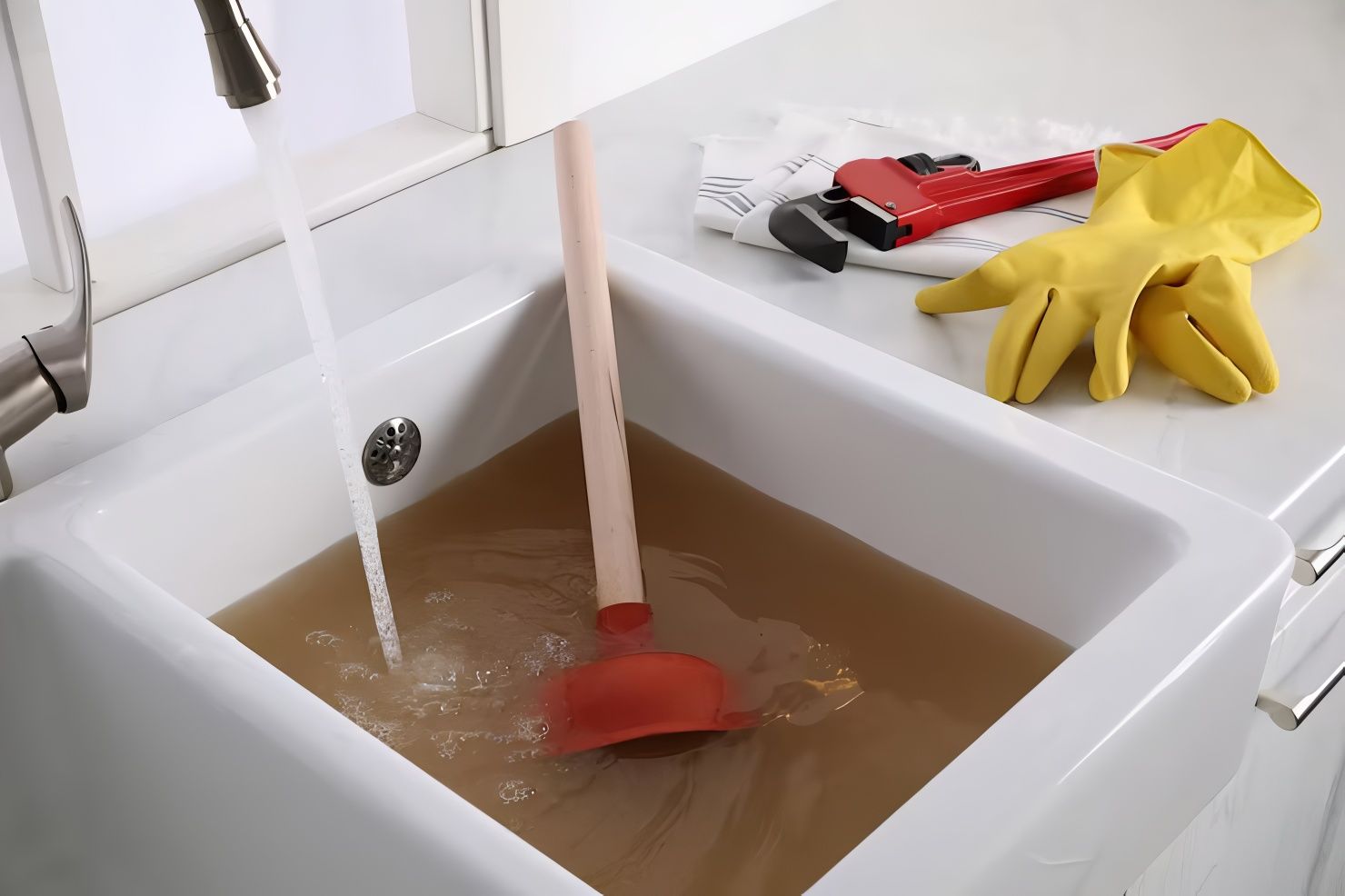
In the fast-paced food service industry, a single backed-up drain can bring a thriving kitchen to a screeching halt. It’s a simple equation: a slow drain means a slow kitchen, and a slow kitchen means lost revenue, frustrated staff, and potentially unhappy customers.
Maintaining your plumbing is a critical component of your operational efficiency. To keep your business running smoothly, investing in
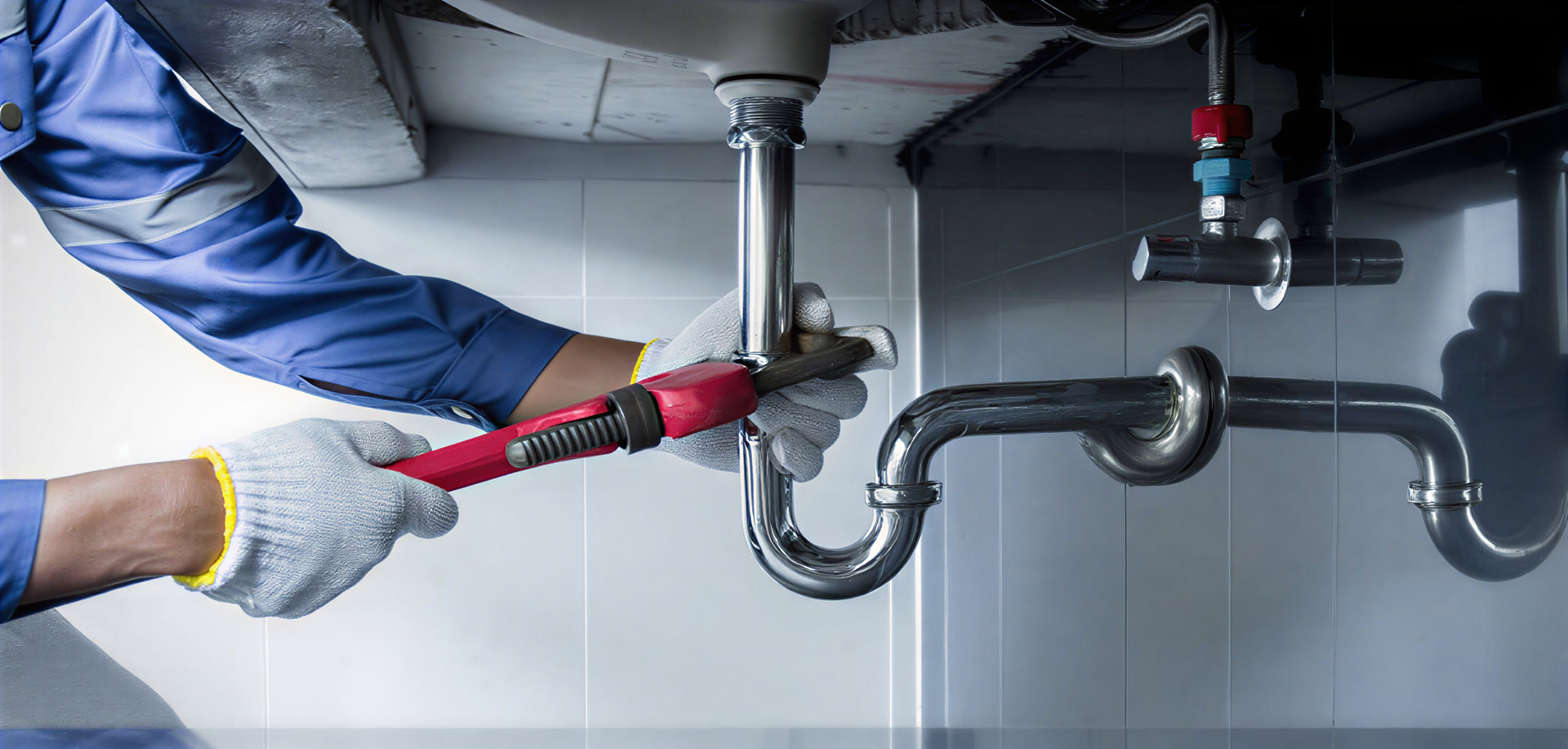
professional drain cleaning is a proactive step every manager should take.
TL;DR — The Manager’s Cheat Sheet for Drain Health
- The Problem: Fats, Oils, and Grease (FOG) are the #1 cause of restaurant clogs.
- Hidden Spots: Floor drains and dishwashing stations are often overlooked until they overflow.
- The Solution: Hydro jetting for restaurants is the only way to fully clear grease-lined pipes.
- Maintenance: Implement a daily "No Grease" rule and schedule quarterly professional drain cleaning.
- Emergency: Keep 24/7 emergency drain clearing contacts ready to avoid mid-shift shutdowns.
Need an immediate inspection?
Book your commercial drain service today!Why a Slow Drain Means a Slow Kitchen
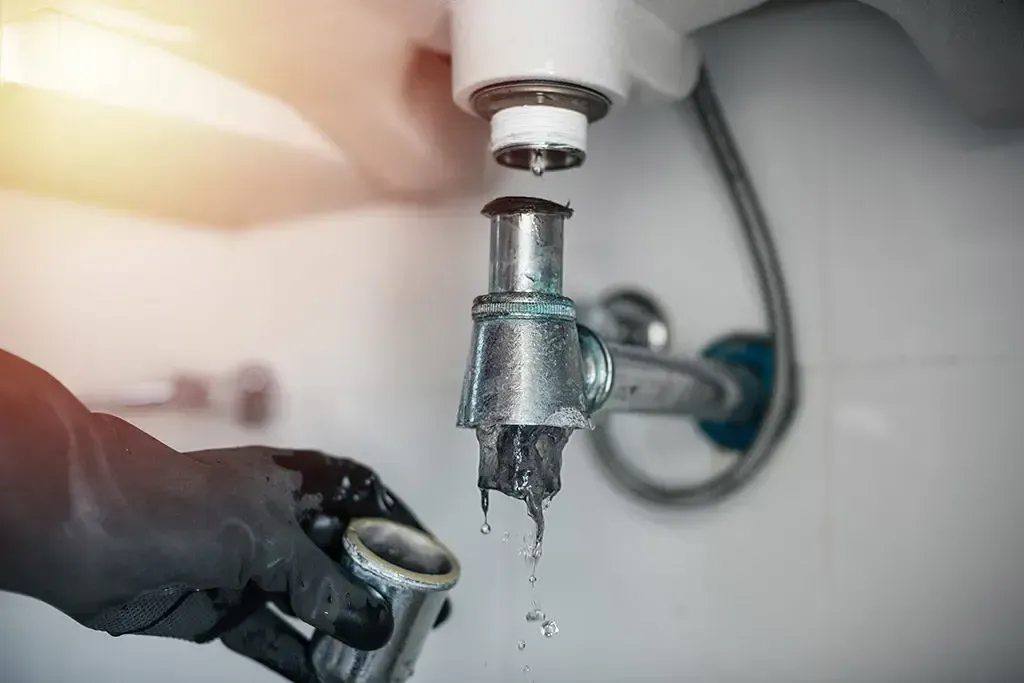
When a prep sink starts to pool or a floor drain in the dish pit begins to bubble, the ripple effect is immediate. Staff have to work around the mess, sanitation levels drop, and the risk of a total shutdown increases.
According to the
National Restaurant Association, operational consistency is the backbone of a successful establishment. A plumbing emergency during a Friday night rush in Cumming can go from being an inconvenience to a threat to your brand's reputation and your bottom line.
Where Are the Hidden Clog Locations in Your Restaurant?
Most managers focus on the obvious sinks, but clogs often start in the shadows of the kitchen architecture.
Floor Drains, Prep Sinks, and Dishwashing Stations
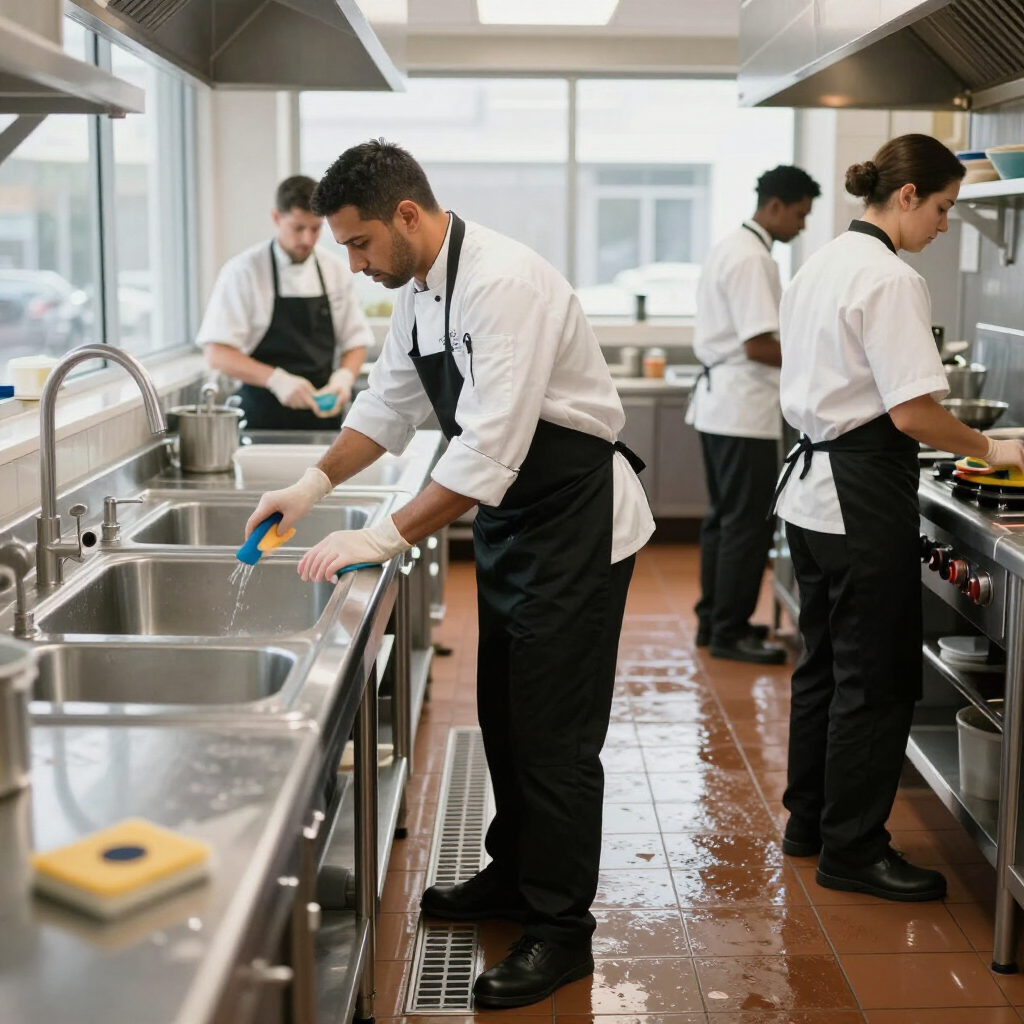
Floor drains are the unsung heroes of the kitchen, handling everything from mop water to accidental spills. However, they are also magnets for debris like mop strings, plastic wrap scraps, and food particles. Dishwashing stations are equally vulnerable; high-temperature commercial dishwashers melt grease, allowing it to flow easily into the pipes. However, as that water travels further from the heat source and cools, the grease solidifies, creating a "choke point" deep within the plumbing.
Without
commercial plumbing solutions tailored to these high-traffic areas, these "hidden" spots become the primary source of foul odors and backups.
The Role of Grease Traps in Operational Continuity
A grease trap is your kitchen's first line of defense, but it is not a "set it and forget it" system.
These devices work by slowing down the flow of warm, greasy water, allowing the grease to float to the top and solids to sink to the bottom.
If the trap is not pumped regularly, typically when it reaches 25% capacity, it stops being a filter and starts being a source of blockages. The
City of Cumming Utilities mandates strict grease management to protect the municipal sewer system. Neglecting this risks heavy fines and potential legal action.
The Science of Hydro Jetting: Why Commercial Kitchens Need More Than a Snake
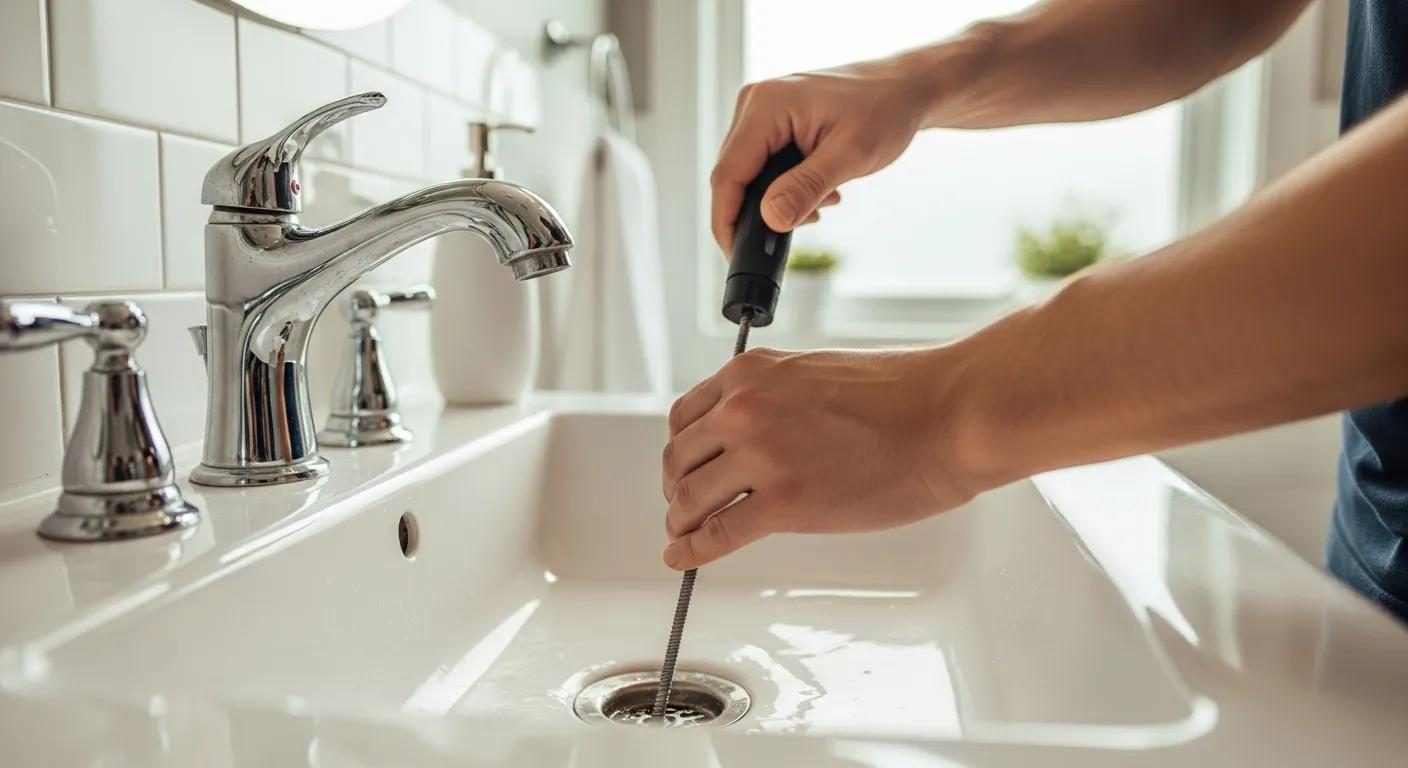
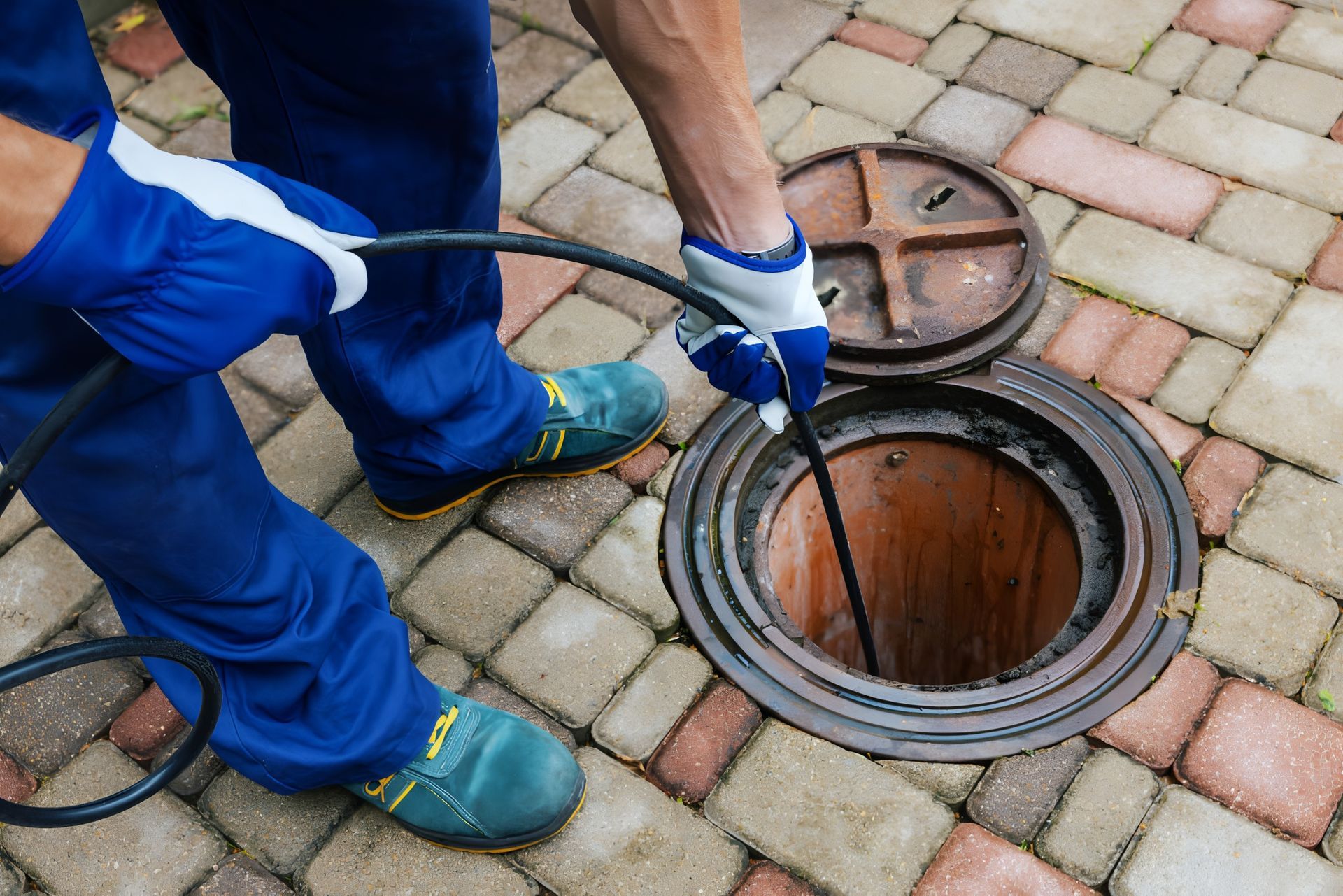
While a standard plumbing snake can punch a hole through a clog to restore some flow, it rarely removes the thick, sticky layer of grease that coats restaurant pipes. This is where hydro jetting comes in.
By using high-pressure water streams (often exceeding 3,500 PSI), hydro jetting scours the interior walls of your pipes, removing years of accumulated FOG and scale. The
EPA’s Fats, Oils, and Grease (FOG) program emphasizes that proper grease management is essential for preventing sewer overflows, and hydro jetting is the gold standard for achieving this level of cleanliness.
Your Preventative Maintenance Schedule: A Manager’s Calendar
To stay ahead of plumbing issues, consistency is key. Use this checklist to keep your kitchen flowing:
- Daily: Ensure all sink strainers are in place. Implement a "scrape, don't rinse" policy for all plates.
- Weekly: Pour a gallon of hot water down floor drains to keep traps from drying out and releasing odors.
- Monthly: Perform a visual inspection of the grease trap. Check for slow-draining prep sinks.
Quarterly: Schedule a professional hydro jetting session. This is the only way to ensure your
hydro jetting for restaurants investment prevents an emergency during peak season.
Staff Training: The Human Element of Clog Prevention
Even the best plumbing system can be defeated by a poorly trained team. Your staff should be your first line of defense.
- Dry Scrape Everything: Every plate, pot, and pan should be scraped into the trash before it ever touches the sink.
- No "Liquid" Grease: Used cooking oil should be collected in designated bins and never poured down the drain, even with hot water.
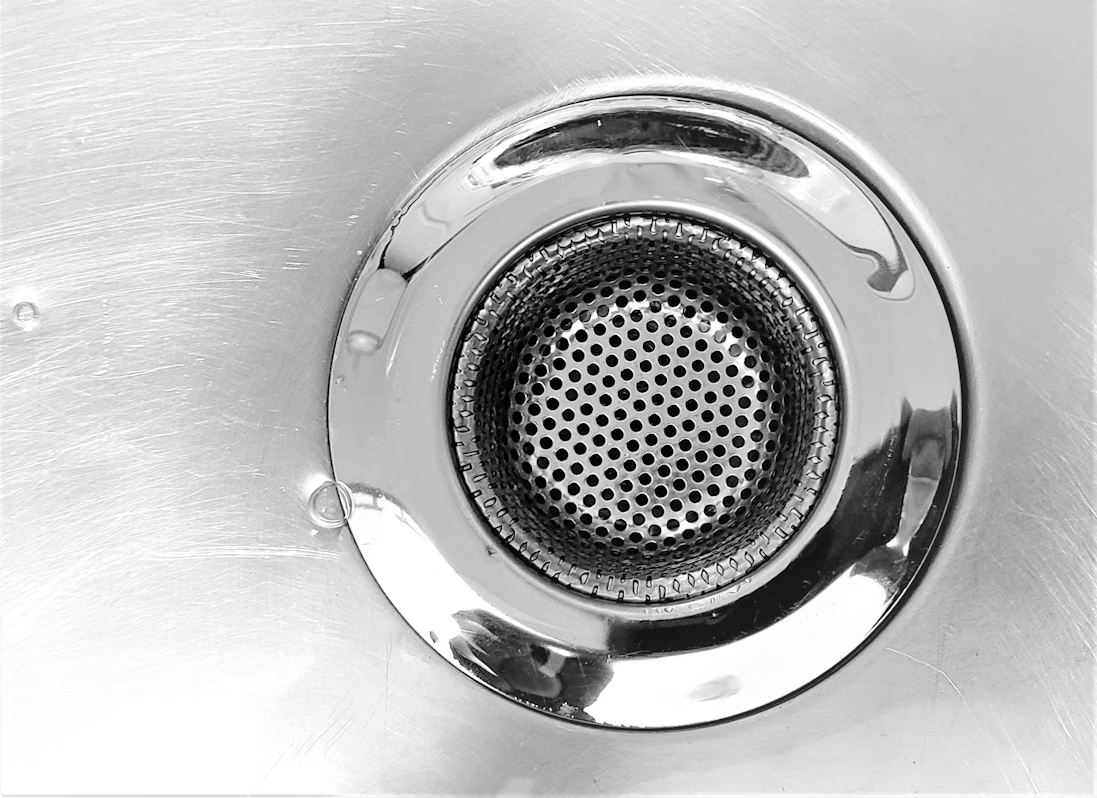
- Strainer Discipline: Sink strainers must stay in place during the entire shift. Emptying a strainer into the trash takes seconds; clearing a clogged pipe takes hours.
Warning Signs: How to Catch the Clog Before the Backup Happens
Don't wait for a flood to act. Watch for these early indicators:
- Gurgling Sounds: Air trapped by a partial clog will cause drains to "talk" back to you.
- Slow Drainage: If a sink takes twice as long to empty as it did last month, a clog is forming.
- Foul Odors: Persistent "sewer" or "rotten food" smells often indicate rotting organic matter trapped in grease.
- Fruit Flies: These pests are often attracted to the organic buildup inside dirty drains.
When to Call Lanier Plumbing & Drain for Professional Help
Some issues are beyond the reach of a plunger or a bottle of enzyme cleaner.
If you have a
clogged pipe in Cumming, are suffering from multiple slow drains, or have a grease trap that overflows despite regular pumping, it’s time for professional intervention. Our team specializes in the unique, high-volume demands of the food service industry, providing the heavy-duty equipment and expertise needed to keep your kitchen compliant and operational.
Conclusion
A proactive approach to drain health is an investment in your restaurant's longevity and daily efficiency. By understanding the causes of clogs and implementing a rigorous maintenance schedule, you can ensure that your kitchen remains a place of production, not a site for plumbing emergencies.
Ready to clear the way for a successful shift?
Contact Lanier Plumbing & Drain today for expert commercial service.
Expert Plumbing Solutions
From leaky faucets to major installations, our certified plumbers provide reliable service you can trust.
Smart Tips for Your Home
We'll send you useful tips and special offers to help you maintain your plumbing and save money.
Contact Us
We will get back to you as soon as possible.
Please try again later.