Every Drain Cleaning Method Ranked: From the Kitchen Hack to the Hydro Jetter


Franchesca Reid  April 10, 2026

Your kitchen sink started draining slowly about two weeks ago. You poured baking soda and vinegar down it, let it sit overnight, and ran hot water after. It drained fine for four days, then went right back to the same slow gurgle.

Most drain cleaning advice falls into one of two camps: the optimistic DIY guide that makes baking soda sound like a cure-all, or the service-page content that skips straight to "call a plumber." Neither one tells you what's actually happening inside your pipes, or which method matches your situation. 

Lanier Plumbing & Drain LLC, a local drain cleaning service provider, has been serving Cumming and Forsyth County for more than 43 years, and this is the honest version of what that experience taught us, including when you don't need to call anyone.

This guide runs through every mainstream drain cleaning method, covering what each one actually does and where its ceiling is. You'll leave knowing which tool to reach for and when the situation calls for someone else.

First, Know What Kind of Clog You're Dealing With

Before you reach for anything, you need to know where the clog is. The method that clears a surface clog in 30 seconds does nothing for a mid-pipe blockage, and the wrong tool used with force can turn a slow drain into a real problem.

Surface Clogs

Surface clogs sit at or just below the drain opening: hair wrapped around a stopper, a ring of soap scum just inside the drain. These are the most common types in bathroom sinks and showers, and in most cases, a pair of needle-nose pliers or a basic plastic drain snake pulls them out in under five minutes.

Mid-Pipe Buildup

Mid-pipe buildup develops 6 to 18 inches into the drain line, usually from grease, soap residue, toothpaste, or mineral deposits accumulating over months. Your drain gets sluggish gradually rather than stopping all at once. 

In Forsyth County, where most of Cumming's residential neighborhoods were built during the rapid suburban expansion of the 1990s and early 2000s, many original drain pipes are now 25 to 30 years old. Decades of use have left buildup on pipe walls that compound each year, which is why drain problems in established Cumming neighborhoods often run deeper than they appear.

Deep Line and Main Sewer Clogs

Deep clogs sit further into the drain line than any household tool reaches, or in the main sewer line connecting your home to the municipal system. The clearest indicator: multiple drains slowing at the same time. 

When your kitchen sink backs up the same week your laundry drain is sluggish, and the toilet is gurgling, that's not a coincidence. It's a main line problem, and no plunger or chemical cleaner addresses it.

The Methods, Ranked From Least to Most Effective

#6 — Baking Soda + Vinegar

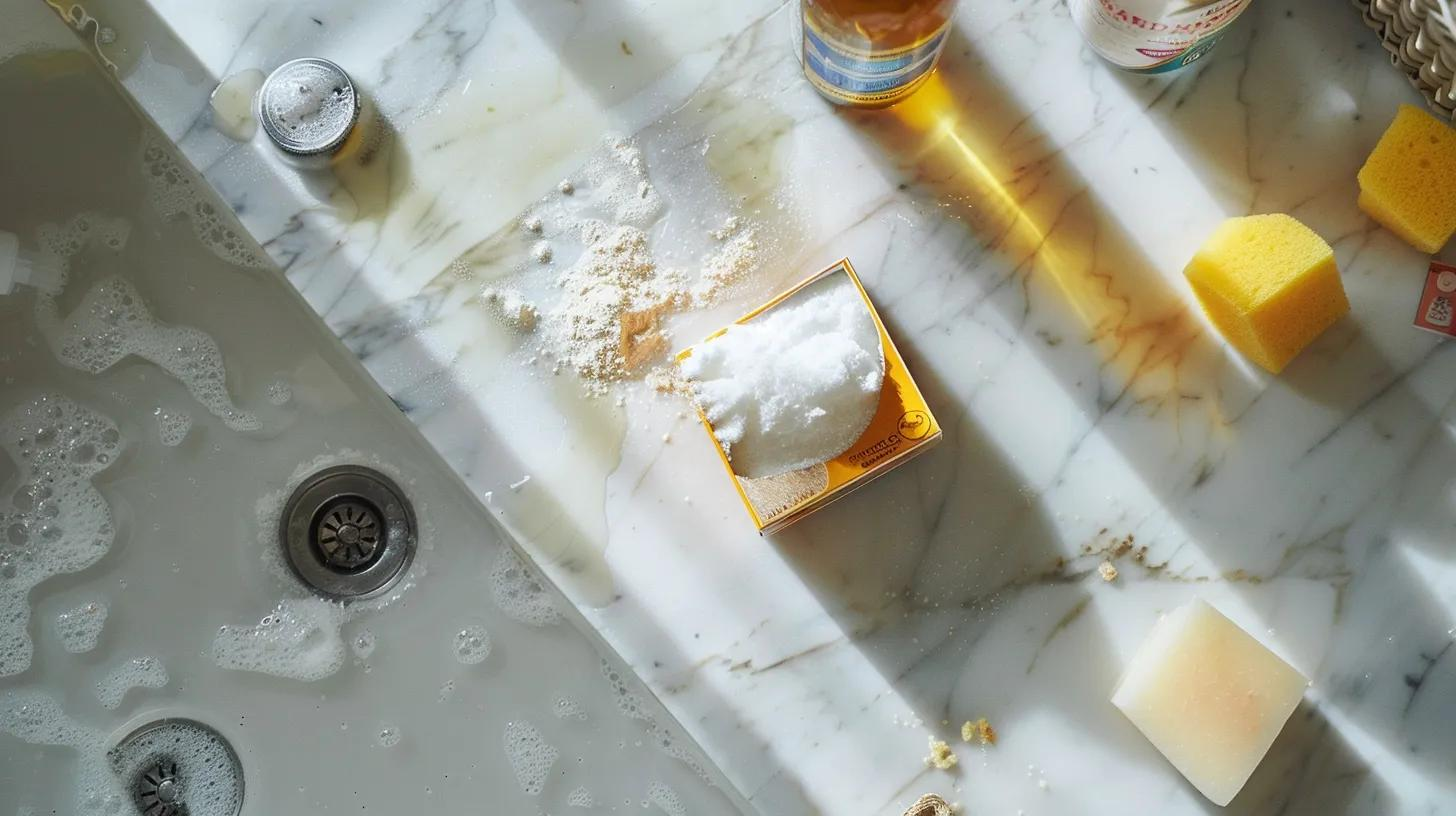
A marble countertop beside a soapy sink holds a pile of white powder, a sponge with foam, and several bars of soap.

This is probably the most over-recommended drain cleaning method on the internet, and the gap between the reputation and the reality is significant. The baking soda and vinegar reaction produces carbon dioxide gas, creating fizzing and bubbling that looks active. What it doesn't produce is enough pressure to move a real clog.

Where it earns a place: poured monthly down a drain that's already clear, the reaction loosens minor residue before it builds into something more stubborn. On an already-slow drain, it won't change anything.

#5 — Boiling Water

Boiling water is underrated for one specific problem: fresh grease clogs. If you've been pouring cooking grease down a kitchen drain, boiling water applied directly can melt and shift the buildup in a way that warm water won't.

The limitation is real: boiling water damages PVC pipes, which are standard in most Forsyth County homes built after the early 1980s. The joint nearest the drain opening takes the most heat exposure, and repeated applications soften the material at that connection point over time. Before using this method, check whether your pipes are metal or PVC. In most newer Cumming homes, they're PVC, so skip boiling water and go straight to a plunger or snake.

#4 — Chemical Drain Cleaners

Chemical drain cleaners do work on hair clogs. A single application, and the dissolution is real. What the label doesn't explain is what happens to the pipe with repeated use.

The active ingredients in most formulas are lye (sodium hydroxide) or sulfuric acid. Both break down organic material, and with repeated use, both degrade PVC pipe walls and eat through rubber gaskets. Pipe material that's supposed to last decades starts failing years early. 

The EPA's Safer Choice program flags standard chemical drain cleaners for their pipe-damaging potential, which is why enzyme-based alternatives exist as a safer long-term option.

After more than 43 years of residential plumbing in Forsyth County, the pattern is consistent: the pipes that arrive in the worst shape are usually the ones treated with chemical cleaners repeatedly over many years. A drain that keeps clogging and keeps getting chemically treated is a pipe that's quietly getting weaker.

The practical rule: if you've tried a plunger and a snake and the clog hasn't moved, one application before calling a plumber is reasonable. Using them as a first move, or monthly on a recurring drain, trades a slow drain today for a pipe problem later.

#3 — Plunger

A plunger is the right first tool for most full blockages, and most homeowners use the wrong type.

Two types exist: the cup plunger (flat rubber dome) works on sinks, showers, and tubs. The flange plunger (with an extended rubber lip at the base) is designed for toilets. A cup plunger on a toilet typically doesn't create enough seal to generate real pressure. The type matters before technique does.

On technique: cover the drain opening completely with the plunger cup. If there isn't enough water in the fixture to submerge the cup, add some, because suction works through water. 

Use steady, controlled strokes. The pull matters as much as the push. Used correctly, a plunger clears most surface and shallow mid-pipe clogs. Used incorrectly (wrong type, no water seal, erratic strokes), it mostly moves water around the basin.

#2 — Drain Snake / Hand Auger

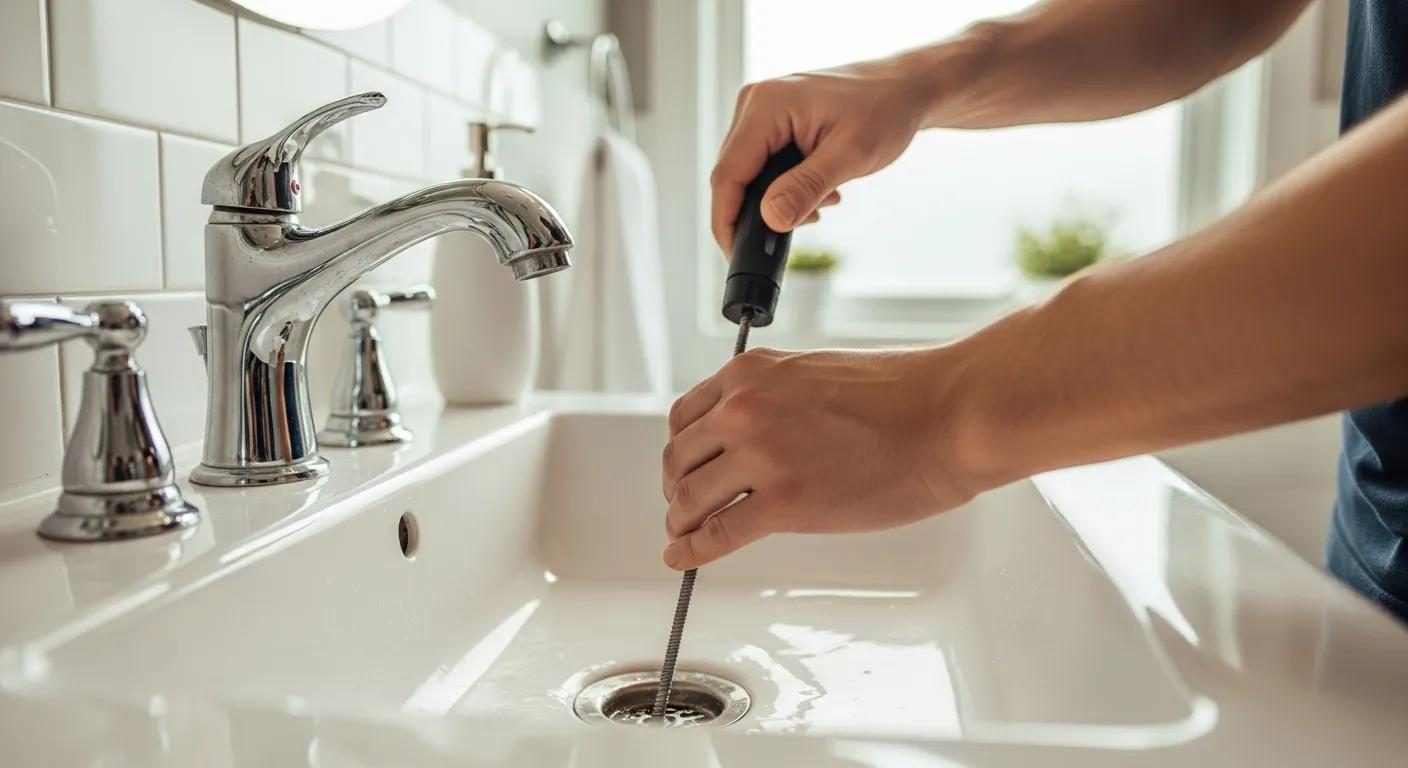
A drain snake is the most effective tool most homeowners can use to clear a clog that a plunger can't reach. It feeds a flexible cable into the drain line, either hooking debris to pull it out or boring through a blockage to break it apart.

A standard consumer-grade snake reaches 15 to 25 feet into a drain line, which covers most mid-pipe clogs. Feed the cable in slowly until you feel resistance, then rotate the handle to hook or push through the blockage. Forcing the cable in aggressively can tangle it or catch on a fitting joint, turning a straightforward job into a bigger one.

The ceiling is real: a snake clears the blockage but doesn't touch the pipe walls. The buildup that's narrowed the pipe stays there and accumulates again. A drain that clogs every few months needs the walls addressed. Snaking buys time rather than solving the underlying problem. Our breakdown of hydro jetting vs. drain snaking covers when each approach makes sense.

#1 — Hydro Jetting

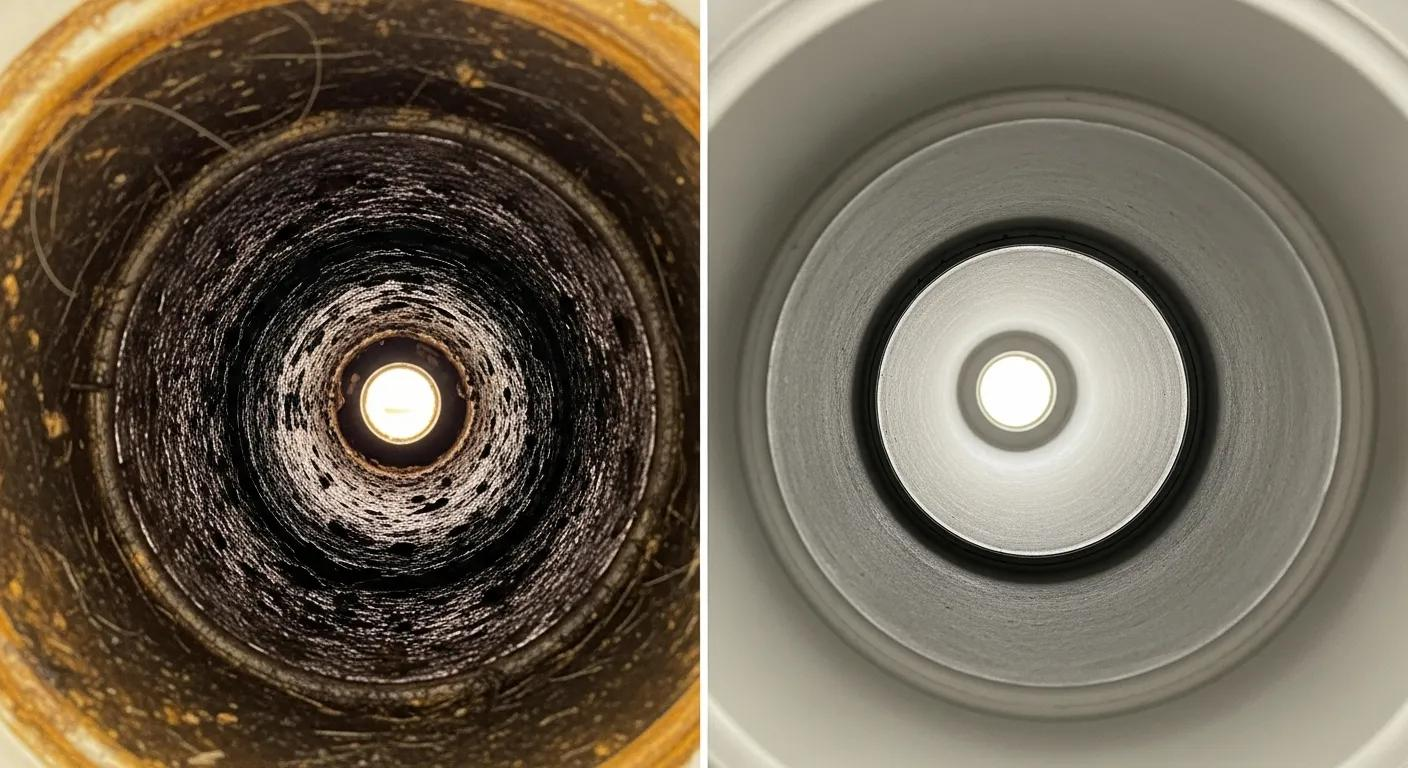
Before and after comparison of a drain: one side is heavily clogged and dark, the other is clean and bright.

Where a snake moves a blockage and chemical cleaners dissolve it, hydro jetting strips the pipe wall clean. A professional system pushes water through a specialized nozzle at 1,500 to 4,000 PSI, depending on pipe material and blockage type. That pressure removes grease, mineral deposits, soap scum, and debris from the entire length of the pipe wall it passes through.

After hydro jetting, the pipe has been reset. A snaked drain might stay clear for a few months before the narrowed walls catch debris again. After hydro jetting, that interval can extend to a year or longer, because the surface that accumulates buildup has been cleaned off rather than punctured through.

One condition applies: a camera inspection should confirm pipe integrity before hydro jetting. The pressure that cleans healthy pipes can damage pipes already compromised by corrosion or root intrusion. If the pipe is in good shape, hydro jetting delivers the most durable result available. 

Learn more about drain cleaning and jetting in Cumming, GA, and what the service involves.

Five Drain Cleaning Mistakes That Make Things Worse

Most drain problems that become plumbing calls start with one of these.

1. Using boiling water on PVC pipes

The joint nearest the drain opening takes the most heat exposure. Repeated applications soften the joint material over time, producing minor leaks that are hard to locate without a camera.

2. Over-rotating a drain snake

When you feel significant resistance, the right move is easing off and backing the cable out, not turning harder. Forcing through resistance can tangle the cable inside the pipe or catch it on a fitting joint.

3. Adding chemical cleaner after a failed plunger attempt 

If the drain is backed up with standing water and you add a chemical cleaner, you've created a pool of lye or acid in your fixture while you wait, and a plumber then has to manage it safely before accessing the line.

4. Treating a recurring clog as normal 

A drain that blocks every few months is telling you something: buildup has narrowed the pipe enough that small debris consistently catches. That pattern doesn't correct itself with more clearing.

5. Pouring grease down the drain with hot water running

Hot water keeps the grease liquid through the warm pipe section near the drain. Further in, where the pipe cools, it resolidifies. Running hot water after pouring grease doesn't prevent a buildup problem; it moves the deposit deeper into the pipe, where it's harder to reach.

Keeping Drains Clear Without Thinking About It

Prevention handles more than any clearing method, and most of it takes less than five minutes a month.

Monthly enzyme treatment

Unlike chemical drain cleaners, enzyme-based maintenance products introduce bacteria that break down organic buildup without damaging the pipe material. A monthly pour down of kitchen and bathroom drains interrupts accumulation before it becomes a blockage. 

The EPA's Safer Choice program maintains a list of certified enzyme-based products that are effective without the pipe-damage tradeoff.

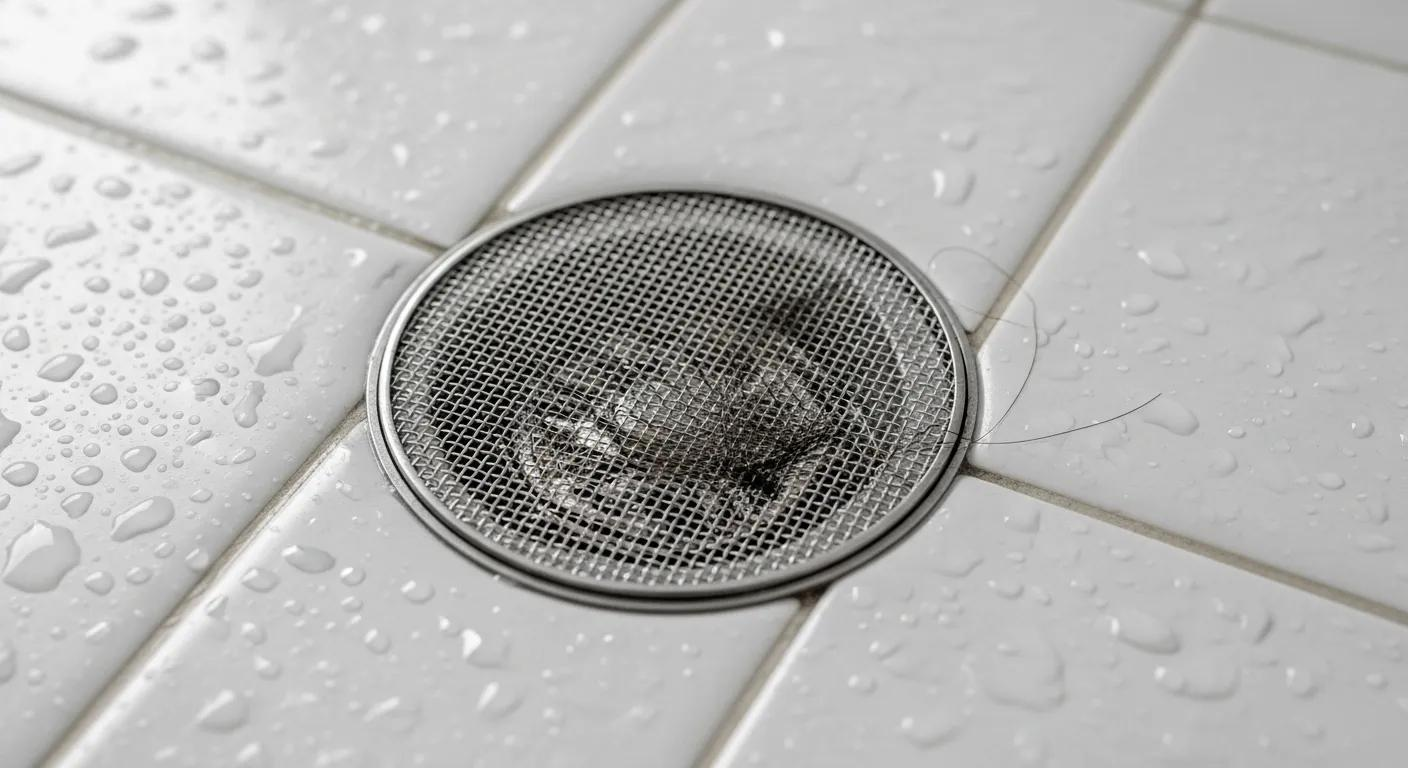
A $4 drain screen in every shower

Most bathroom drain clogs are hair. A mesh screen catches it before it reaches the pipe. This change alone eliminates the majority of bathroom drain calls in most homes.

Grease goes in the trash

Cool the grease in the pan, transfer it to a container you can throw away. No additional products or filters required.

Professional cleaning on a maintenance schedule.

Homes with older pipes or a history of recurring clogs benefit from professional drain cleaning every 18 to 24 months. For established Cumming neighborhoods where original 1990s-era pipes have had decades to accumulate buildup, the interval matters more than it does in newer construction. It's a reset before problems develop.

When to Stop and Call a Plumber

Most drain problems don't need professional help. These four do.

Multiple drains slowing at the same time

When two or more drains back up together, the blockage is in the main line, past the reach of any household tool.

A sewage smell without an obvious source

Sulfur or sewage odor anywhere in the home usually points to a drain line or sewer connection issue. If refilling a dry P-trap doesn't resolve the smell, the source is deeper.

Gurgling sounds in the toilet when you run the sink

Cross-drain gurgling means air is moving through your drain system incorrectly, typically a partial main line blockage or a venting problem.

The same clog returns within two weeks

A clog that comes back that quickly means the clearing method didn't address the cause. Either the blockage was too dense for the tool used, or the pipe wall buildup is narrow enough that debris catches again almost immediately.

For any of these, the article titled, Warning Signs You Need An Emergency Plumber covers what each symptom typically indicates and how urgently it needs attention.

The Honest Summary

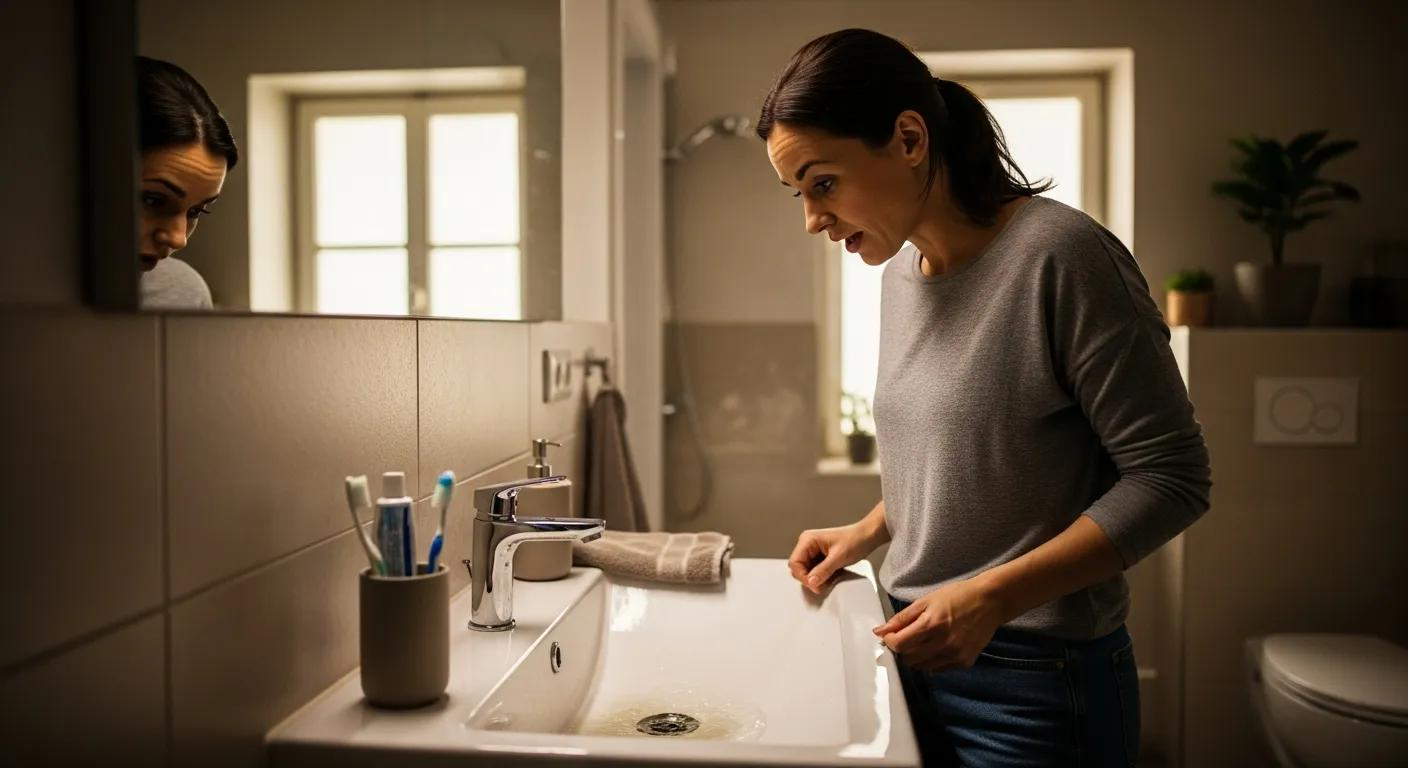
A person in a gray sweater looks concerned while standing in a bathroom, hands resting on the edge of a white sink.

You now have a clear map of every drain cleaning method, covering what each one actually does and where its ceiling is. For most slow drains, a plunger and a snake are enough. For recurring clogs or drains that won't clear, professional cleaning is the durable answer. DIY methods have a ceiling, and buildup eventually passes it.

If the snake didn't move it and the drain has backed up again, or you're seeing the sewage odors and cross-drain symptoms described above, that's what we're here for. Lanier Plumbing & Drain LLC is a family-owned company led by a Georgia-licensed Master Plumber with more than 43 years of experience, serving Cumming and Forsyth County with 24/7 emergency response.

Schedule drain cleaning service in Cumming, GA today!

Expert Plumbing Solutions

From leaky faucets to major installations, our certified plumbers provide reliable service you can trust.


Smart Tips for Your Home

We'll send you useful tips and special offers to help you maintain your plumbing and save money.

Contact Us

Latest Posts

Man in overalls, crouched, working on plumbing under a kitchen sink with a toolbox and supplies nearby.
By Franchesca Reid March 9, 2026
Don't ignore these 12 warning signs of clogged pipes in your Cumming home. Learn what local plumbers look for & how to prevent costly emergency repairs. Call now!
Plumber in blue uniform uses a wrench to work on pipes under a sink.
By Franchesca Reid February 12, 2026
When dealing with clogged pipes, quick action is crucial. Fast and effective emergency drain repair services can save you time and money. Don’t wait!
By Franchesca Reid February 3, 2026
Lanier Plumbing wins the 2026 Best of Forsyth award! Trust our expert team for top-quality water leak detection and reliable plumbing services in Cumming.
Person in black gloves fixing a leaky sink drain with dripping water in a bathroom.
By Franchesca Reid January 19, 2026
When plumbing issues arise, knowing the signs can save you time and money. Learn the key warning signs to call an emergency plumber and get timely help! URL Slug: signs-you-need-emergency-plumbing-help-for-clogged-pipes
Learn More About Clogs & Drain Issues

Man in overalls, crouched, working on plumbing under a kitchen sink with a toolbox and supplies nearby.
By Franchesca Reid March 9, 2026
Don't ignore these 12 warning signs of clogged pipes in your Cumming home. Learn what local plumbers look for & how to prevent costly emergency repairs. Call now!
Plumber in blue uniform uses a wrench to work on pipes under a sink.
By Franchesca Reid February 12, 2026
When dealing with clogged pipes, quick action is crucial. Fast and effective emergency drain repair services can save you time and money. Don’t wait!
Person in black gloves fixing a leaky sink drain with dripping water in a bathroom.
By Franchesca Reid January 19, 2026
When plumbing issues arise, knowing the signs can save you time and money. Learn the key warning signs to call an emergency plumber and get timely help! URL Slug: signs-you-need-emergency-plumbing-help-for-clogged-pipes
Person in blue work clothes and gloves using a tool to inspect a sewer manhole in a brick-paved area.
By Franchesca Reid December 9, 2025
Uncover the best pipe cleaning method for your needs. Learn how high-pressure water jetting compares to traditional snaking for effective results today!
Close-up of a shiny, circular sink drain with a perforated metal strainer.
By Franchesca Reid November 11, 2025
Keep your plumbing in top shape with essential tips for preventing clogs. Follow these expert strategies to maintain clear and efficient pipes at home.
Sink filled with murky water, plunger, wrench, and gloves, attempting to unclog a drain.
By Franchesca Reid September 29, 2025
When facing a clogged pipe, take immediate action to prevent damage. Learn effective steps to address the issue and restore your home's plumbing today.