
Keep Your Pipes Flowing: Essential Tips for Preventing Drain Clogs and Maintaining Your Plumbing
Franchesca Reid November 11, 2025

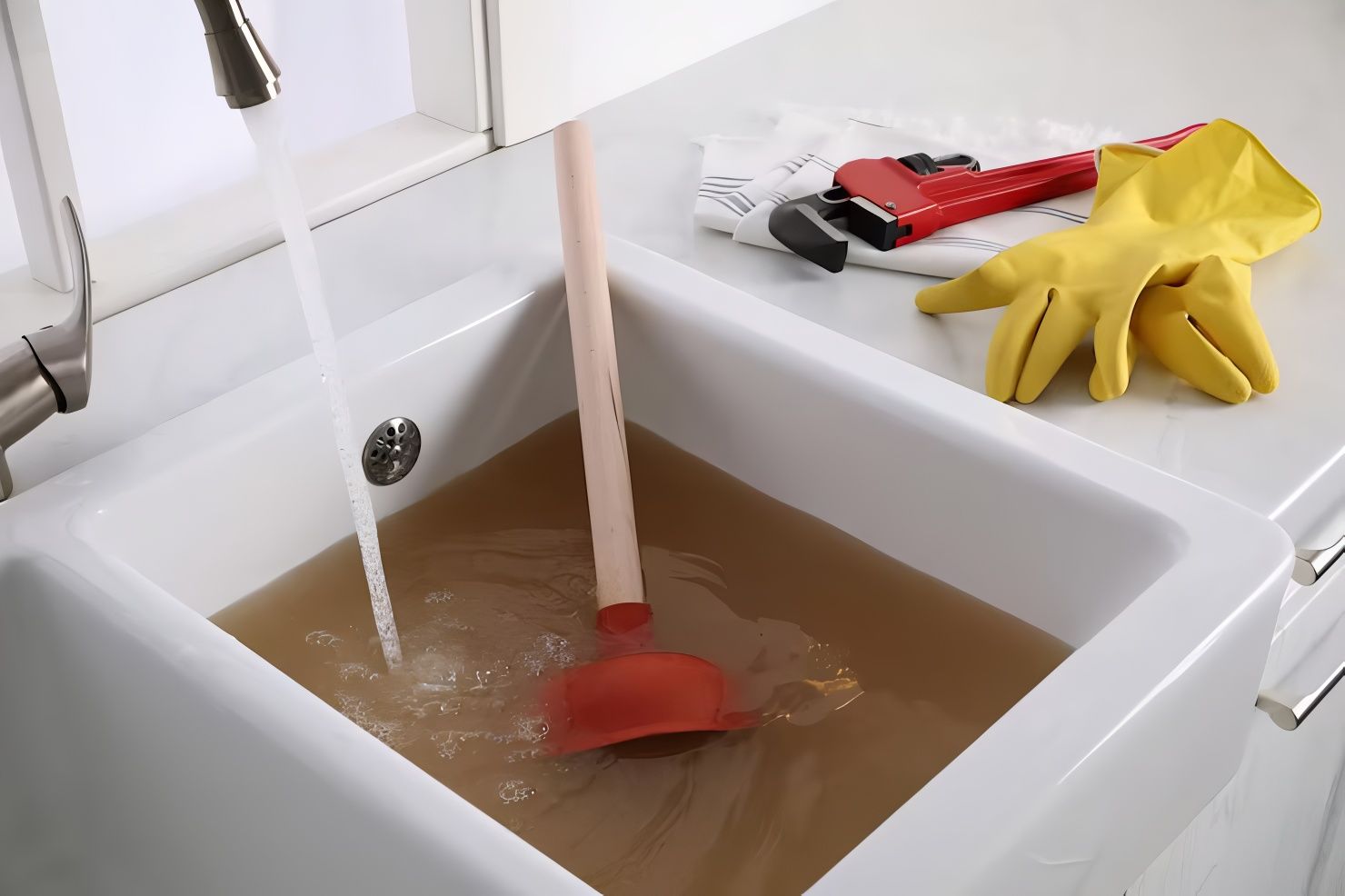
Clogged drains happen when everyday items like food scraps, grease, hair, or foreign objects build up in your pipes, slowing down or completely blocking water flow. This can lead to unpleasant odors, slow draining, and costly water backups if not addressed promptly.
Clogged pipes Cumming GA residents suffer from disrupted daily life and operations. Understanding how these clogs form empowers you to take proactive steps to keep your plumbing running smoothly.
This guide will walk you through practical prevention tactics for your kitchen and bathroom, offer safe DIY solutions, identify when it’s time to call a professional, and explain the benefits of ongoing maintenance to extend your system’s life and minimize downtime.
TL;DR — Keep Your Pipes Clear: Tips for Preventing Clogs in Plumbing
- Clogs form from grease, hair, wipes, food scraps, and roots that restrict water flow
- Use strainers, trash fats and wipes, and run disposals cold to stop debris entering pipes
- Maintain bathrooms by using hair catchers, cleaning stoppers, and occasional enzyme treatments
- Call a pro for multiple slow drains, sewage odors, gurgling, or visible root intrusion
- Planned maintenance reduces emergencies, extends system life, and saves homeowners in Cumming, GA
What Are the Most Common Culprits Behind Drain Clogs?
Drain clogs are essentially obstructions within your drain lines, caused by materials that either accumulate over time or intrude into the pipes, restricting water flow. The way a clog forms often depends on its source.
Here’s a quick look at common clog-causing materials, where they typically cause trouble, and what you can do to prevent them from blocking your pipes.
| Clog Source | Typical Location | Prevention Action |
|---|---|---|
| Fats, Oils, Grease (FOG) | Kitchen sink and main line | Wipe pans clean, cool fats before disposal, use a sink strainer |
| Hair & Soap Scum | Shower, tub, bathroom sink | Install hair catchers, clean stoppers weekly |
| Food Scraps & Coffee Grounds | Kitchen sink, disposal | Use strainers, run cold water with disposal, avoid fibrous scraps |
| "Flushable" Wipes & Foreign Objects | Toilet and sewer main | Only flush toilet paper; trash wipes and sanitary items |
| Tree Roots & Mineral Buildup | Main sewer line | Schedule regular inspections, consider root control and pipe descaling |
This easy-to-understand table helps you quickly match the cause of a potential clog to its location and the most effective prevention actions, allowing you to prioritize your efforts for the best results.
How Can You Effectively Prevent Kitchen Sink Clogs?
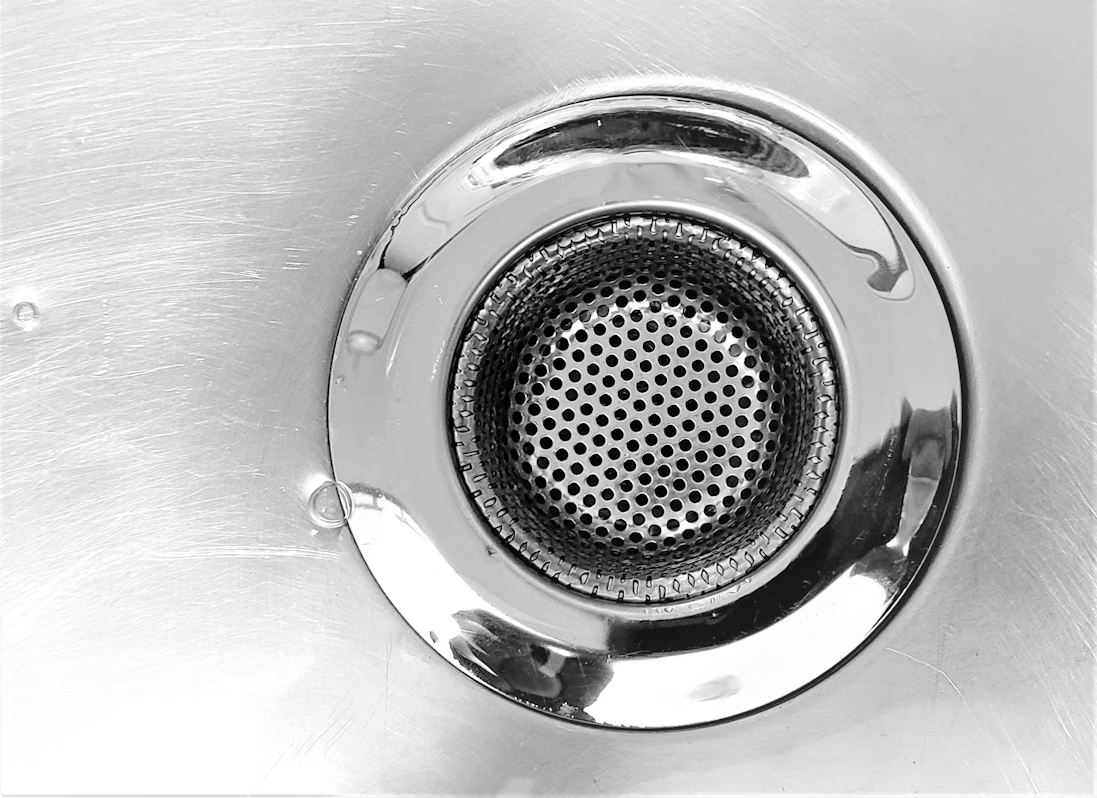
Preventing kitchen sink clogs boils down to adopting simple habits and utilizing basic devices that intercept solids and grease before they enter your pipes. These measures work by catching debris at the source or preventing materials from solidifying within the drain lines.
This table compares common kitchen clog types with effective homeowner prevention methods and clear indicators for when to call a professional.
| Clog Type | Prevention Method | When to Call a Pro |
|---|---|---|
| Grease buildup | Wipe pans, contain grease for trash, use strainers | Recurring slow drains or persistent grease odors; consider professional Drain Cleaning & Jetting |
| Food scraps | Use strainers, run disposal with cold water in small batches | Persistent jams or if the disposal unit fails to operate correctly |
| Starches & fibrous items | Avoid putting peels, pasta, rice, or other starchy/fibrous items down the disposal | Repeated slow drainage even after attempting DIY cleaning methods |
What Are the Top Bathroom Drain Maintenance Tips to Avoid Clogs?
Bathroom drains typically clog when hair, soap scum, and mineral deposits combine to form dense masses within stoppers and P-traps. Effective maintenance focuses on capturing debris at the source, gently dissolving buildup, and regularly inspecting components prone to trapping material.
Below are practical maintenance pointers and a quick checklist to help keep your bathroom plumbing functioning smoothly and reduce the need for professional repairs.
Here’s a common bathroom maintenance checklist:
- Install a hair catcher in your shower drain and clear it after each use or at least weekly.
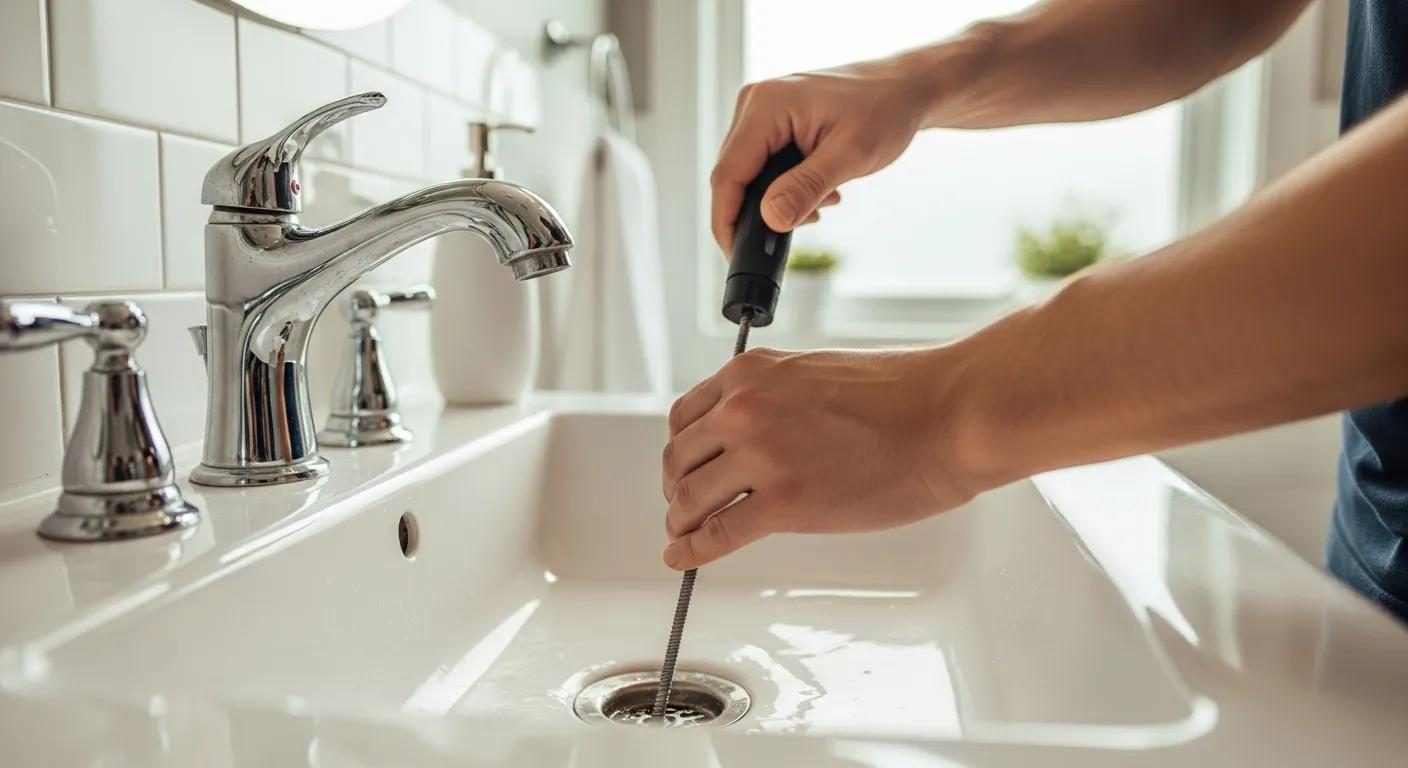
- Remove and clean sink stoppers monthly to clear away accumulated soap scum and debris.
- Use phosphate-free soaps and occasional enzymatic treatments to minimize soap scum formation.
These routine actions address the most common causes of bathroom clogs and complement periodic professional inspections, helping to protect the longevity of your plumbing system.

When Should You Call a Professional for Drain Cleaning and Plumbing Maintenance?
Choosing professional intervention at the right time can prevent significant property damage and restore your plumbing system’s full reliability.
Here are key signs that indicate you need professional plumbing service:
- Multiple slow drains: If more than one fixture in your home is draining slowly, it often points to a problem in the main sewer line.
- Recurring backups or sewage odors: These symptoms strongly suggest trapped waste or a failure within your sewer line.
- Gurgling or bubbling drains: This often indicates air being forced through blockages or issues with your plumbing vents.
- Visible root intrusion or sewage overflow: These are urgent conditions that require immediate professional attention to prevent further damage and health hazards.
This straightforward checklist helps homeowners and property managers prioritize when to call a plumber and avoid delays that could worsen existing damage.
Benefits of Professional Plumbing Maintenance Plans
Professional maintenance plans offer the advantage of scheduled inspections, targeted cleaning, and early detection of potential wear or intrusion issues.
This proactive approach significantly reduces the frequency of emergency calls and extends the overall functional life of your plumbing systems.
Typical maintenance visits include thorough visual inspections, drain clearing, fixture testing, and expert recommendations for necessary repairs or upgrades. These services translate directly into fewer unexpected failures and lower long-term ownership costs.
For commercial property managers, periodic grease trap and sewer line checks are essential for regulatory compliance and preventing operational downtime.
For homeowners dealing with clogged pipes in Cumming, consistent, professional care preserves property value and ensures ongoing comfort.
Investing in a
maintenance plan shifts your plumbing care from a reactive, crisis-driven approach to a proactive, preventative strategy, delivering predictable protection and invaluable peace of mind.
Conclusion
Maintaining your plumbing system is essential for preventing costly drain clogs and ensuring smooth water flow in your home. By adopting simple habits like using strainers, proper disposal of fats, and regular inspections, you can significantly reduce the risk of plumbing issues.
For more comprehensive solutions, consider professional maintenance plans that provide peace of mind and extend the life of your plumbing.
Explore our expert services today to safeguard your home against unexpected plumbing emergencies.
Expert Plumbing Solutions
From leaky faucets to major installations, our certified plumbers provide reliable service you can trust.
Smart Tips for Your Home
We'll send you useful tips and special offers to help you maintain your plumbing and save money.
Contact Us
We will get back to you as soon as possible.
Please try again later.